Petitions, Assemblies and the Many Shapes of Public Participation
Petitions and public assemblies make collective concerns visible in different ways. Learn what each form can communicate, whom it reaches, and what it cannot do.
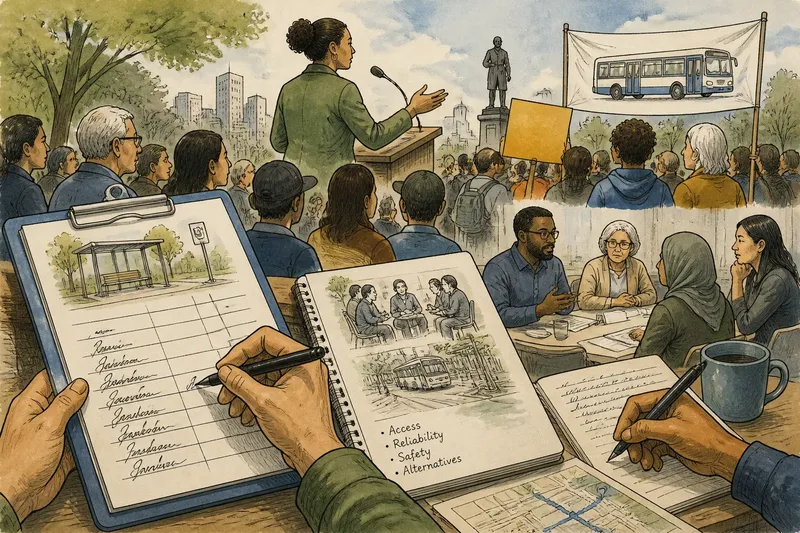
What can a petition or public assembly actually do for a public concern? Petitions and assemblies make different parts of collective action visible: one records support for a written request, while the other brings people together in a shared place or forum.
Neither form works for every purpose. A petition can gather support from people who cannot attend a meeting. An assembly can give participants room to speak, listen, or disagree. Knowing what each format is built to do helps you choose a useful channel and understand what its record leaves out.
Petitions connect support to a specific request
A petition gathers names or other expressions of support around a stated request. It might ask a public body to consider a proposal, preserve a service, or respond to a concern. The request matters: a list of supporters without a clear action can be difficult for an institution to answer.
Petitions can reach people who are spread across a neighborhood or unable to attend a public event. Someone can read the wording, decide whether it represents their view, and sign without joining a gathering. That makes a petition useful for recording support for a defined request.
A signature does not explain why someone signed or what they would accept as a solution. Nor does it tell you whether the institution receiving the petition has authority over the issue. Before relying on one, check the request, its destination, and what signing means.
Assemblies bring people into a shared setting
An assembly can make a concern visible through presence, speeches, testimony, banners, or discussion. Its format may let participants respond to one another in real time, which can bring out different needs and points of disagreement.
Not every gathering has the same purpose. A rally may be organized to express urgency or demand action. A deliberative assembly may instead give participants a structured chance to compare proposals and revise their views. The event’s name alone does not tell you which purpose applies; look at its invitation, rules, and program.
Attendance is shaped by practical circumstances. People may have work, care responsibilities, access needs, or reasons to avoid public exposure. A gathering can show who chose and was able to attend, but it cannot stand in for every person affected by the issue.
Other participation channels serve different purposes
Petitions and assemblies are only two options. The right channel depends on whether people want to respond to a defined proposal, exchange views, or make a public demand.
- Public comment: Check whether comments are tied to a specific decision and whether the process accepts written submissions, spoken remarks, or both. If the format excludes people who cannot attend, then look for a written or remote option; otherwise, follow the stated submission rules.
- Community meetings: Check who is invited, how discussion is facilitated, and whether attendees can ask questions. If the meeting offers no clear way for quieter participants to contribute, then request a written channel or a structured speaking round; otherwise, use the meeting to hear and discuss views.
- Consultations: Check what question is open for input and how the institution says it will consider responses. If the consultation does not identify a decision-maker or the role of public input, then seek that information before treating it as a route to influence; otherwise, respond to the question as framed.
- Demonstrations: Check the public demand, the event’s purpose, and whether participants have ways to communicate beyond being present. If the aim is to explain a detailed proposal, then pair the demonstration with a written statement or discussion; otherwise, use the gathering to make the public demand visible.
- Citizen panels or deliberative forums: Check how participants are selected, what issue they are asked to consider, and what authority their recommendations have. If the panel’s remit or membership is unclear, then avoid treating its conclusions as a general public mandate; otherwise, read its recommendations within that stated remit.
Formats can overlap. A community meeting may include public comment, and a demonstration may include speeches or a petition table. Identify what participants actually did rather than relying on a broad label.
Choose a participation method that fits the purpose
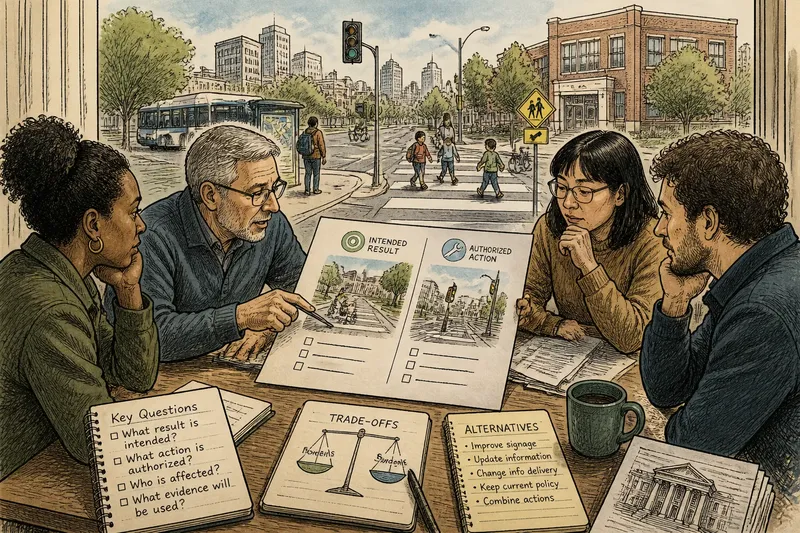
Start with the intended result. A petition can record support for a clear request; a public assembly can make a concern visible or create space for exchange. A consultation or public comment process may connect views to a particular decision, while a deliberative forum can give a group time to examine options.
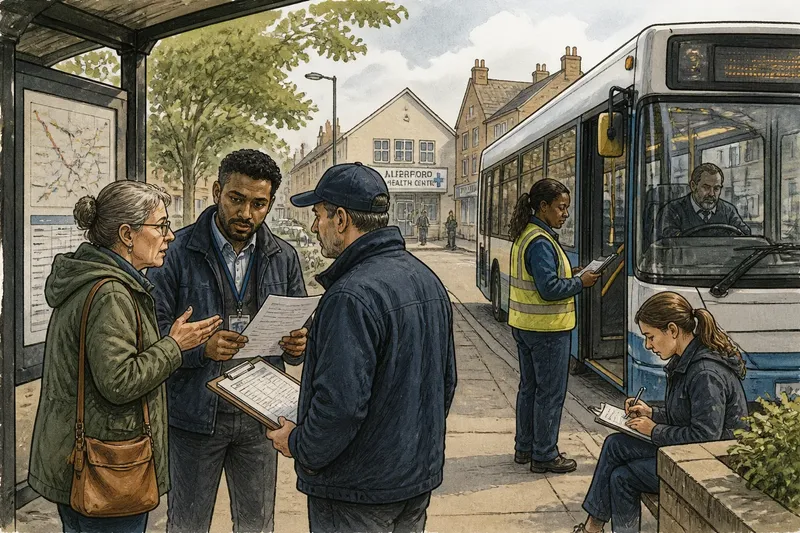
Say a neighborhood group wants the transit authority to retain a bus stop. Its members write a petition naming the stop and asking the authority to keep it, then hold an assembly where riders describe how they use the stop and discuss other options. The petition gives the authority a record of support for a specific request. The assembly lets riders explain their reasons and tradeoffs. The group now has both a clear request and a fuller account of the concerns behind it, though neither activity decides the authority’s response.
It is not worth choosing a format just because it looks more forceful. A crowd may make a demand visible without explaining a workable remedy; a petition may state a precise request without giving its reasoning. Choose for the task, and use more than one channel when each adds something distinct.
Access and design influence who can take part
A channel can appear open while requiring time, travel, language fluency, confidence, or access to particular technology. A meeting during work hours may rule out people who cannot leave their jobs. An online form may be difficult to use for someone with limited connectivity or a disability. A petition shared within one social network may miss people outside that network.
Check the practical arrangements before treating a channel as broadly accessible. Look for an accessible venue, clear language, interpretation where needed, remote ways to contribute, and more than one opportunity to participate. If those options are missing, ask organizers or the institution whether an alternative is available.
Also check who sets the terms. Organizers may choose the question, invitation, and speaking rules; an institution may decide which submissions qualify. Those choices affect what participants can contribute, so read them alongside the event or process itself.
What should you check before drawing a conclusion?
What does a petition record?
It records support from people who endorsed a particular written request. The wording and the destination help explain what that support is directed toward.
What can an assembly make possible?
It can bring participants together to express a concern, hear others, or discuss proposals, depending on its design. Check the format and rules to see which of those purposes it serves.
How do I tell whether a consultation is connected to a decision?
Look for the decision-maker, the question being considered, and an explanation of how responses will be used. If those details are absent, ask the institution to clarify the process before assuming what effect participation may have.
Can one participation method stand in for everyone affected?
No single format includes every person who may have a stake. Check who had a practical chance to participate and what the channel allowed them to do.
Match the claim to what the method can provide
When you encounter a petition, assembly, or consultation, identify its purpose, its organizers, and the decision or audience it addresses. Then ask whether the format gave participants a way to do what it claimed to enable: record support, express a demand, discuss alternatives, or respond to a proposal.
Petitions, assemblies, and other public participation methods leave different kinds of records. Choose the method that suits the task, make access part of the planning, and be clear about what the resulting record can and cannot represent.